Sustainable Recycling & Waste Policy for Man Van Removals
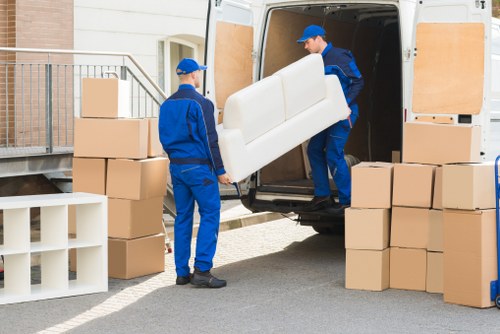 At Man Van Removals we put sustainability at the heart of every job. Our goal is simple but ambitious: to divert 90% of all material collected from moving and clearance jobs away from landfill by 2028. This recycling percentage target is driven by a practical, measurable plan that combines reuse, repair, donation and responsible processing at authorised facilities. As a leading man and van removals provider we balance fast, reliable service with careful environmental stewardship.
Our approach to low-carbon operations includes a modern fleet of low-emission vehicles. We operate electric and hybrid low-carbon vans for inner-city jobs and Euro-6 diesel alternatives for longer routes. These choices, together with route optimisation and consolidated collections, reduce fuel use and cut emissions for all our man-van removals activities. We continually assess the fleet so our man with van removals service becomes ever greener.
 We believe that partnerships multiply impact. We work with local charities, furniture banks and reuse charities to ensure good-quality items have a second life. Typical partners range from local community groups and borough-based furniture reuse schemes to national charities that accept larger donations. By collaborating with resale and redistribution partners we divert usable furniture, bedding, clothing and household items from disposal streams.
How we handle materials and use local transfer stations
Material handling starts at the property. Our crews are trained to segregate at source: paper and cardboard, mixed recyclables, glass, metal, WEEE (electricals) and hazardous fractions like certain batteries and paint are separated where safe to do so. Where boroughs operate kerbside-style streams, such as separate food waste collection or glass banks, our teams comply with the local authority guidance and deliver sorted loads to the correct civic amenity sites and domestic recycling centres. We also use authorised local transfer stations to bulk and sort loads before onward processing.
 At transfer stations we prioritise reuse and mechanical sorting that supports high recycling yields. Cardboard is baled, soft plastics are consolidated for approved recyclers, and metal and rigid plastics are routed to specialist processors. For items that need specialist treatment ??? e.g., mattresses or large electrical appliances ??? we work with licensed processors who meet environmental and safety standards so materials are recovered responsibly.
Charity partnerships, reuse and borough-level recycling practices
Our charity partnerships are more than drop-offs: we coordinate collections that fit charity schedules, ensure items are safe and useable, and supply charities with the volumes they need. We actively prioritise redistribution of items that local boroughs typically encourage residents to reuse ??? such as furniture, books and working electrical goods ??? and we support textile and book banks where they exist. The combined result is increased social value and reduced environmental impact from our man-van removals operations.
What we recycle and how it???s processed
Common types of recycling activity we manage include:
- Furniture and homewares rehomed via charity partners or social enterprises
- Cardboard and paper compacted and sent for pulping and recycling
- Glass and metal separated and routed to local commodity processors
- WEEE (fridges, TVs, small appliances) handled through certified WEEE channels
- Soft plastics and shrink-wrap consolidated and transferred to approved plastic recyclers
![Two removal men dressed in red work overalls are positioned inside a bright, empty room with light-colored wooden flooring and white walls, engaged in stacking a large cardboard box on top of several other boxes. The boxes vary in size, with some larger ones placed on the floor against the wall and smaller ones nearby. The scene appears to be during a house move, with the men carefully handling the boxes, possibly preparing for transportation. Behind the men, there are two large windows with wooden frames, allowing natural light to illuminate the space. The room is minimally furnished, emphasizing the focus on the boxes and the safe stacking process. The setting suggests an interior residential space, potentially in a home in the UK, with the scene conveying professionalism and care in handling household items, consistent with services offered by Man Van Removals, based in [POSTCODE], [TOWN], involved in house removal and relocation tasks while supporting sustainable moving practices through recycling efforts depicted in their 'Recycling and Sustainability' page.](/pub/_photos/removals/f2000535552.jpg) We recognise that boroughs differ in their collection and separation systems: some boroughs operate strict multi-stream kerbside collections with separate food waste, others use mixed recycling with subsequent sorting. Our teams are trained to follow the local authority approach for each job, ensuring that we deliver materials to the correct civic amenity site or transfer station and help maintain residents??? recycling standards.
We recognise that boroughs differ in their collection and separation systems: some boroughs operate strict multi-stream kerbside collections with separate food waste, others use mixed recycling with subsequent sorting. Our teams are trained to follow the local authority approach for each job, ensuring that we deliver materials to the correct civic amenity site or transfer station and help maintain residents??? recycling standards.
Operational transparency is part of our commitment. For major clearance projects we document the tonnes of material reused, recycled or sent for recovery and report these outcomes internally so performance against our 90% diversion target can be tracked. Our man-van removals supervisors carry simple checklists for pre-sort verification, and we audit partner processors to ensure environmental compliance.
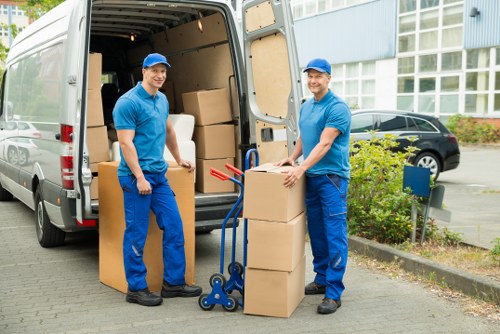 Finally, our long-term sustainability plans include: continued investment in electric vans, expansion of charity partnerships across boroughs, trials of reusable packing and crate systems that reduce single-use materials, and active participation in local circular-economy initiatives. Whether you hire our Man Van Removals team for a flat move, a business clearance or a one-off collection, you can expect careful segregation, responsible routing to local transfer stations, and proactive reuse options that support charities and reduce waste.
Committed to better removals ??? for people and the planet.