Pack a whole house for UK removals with pro level efficiency
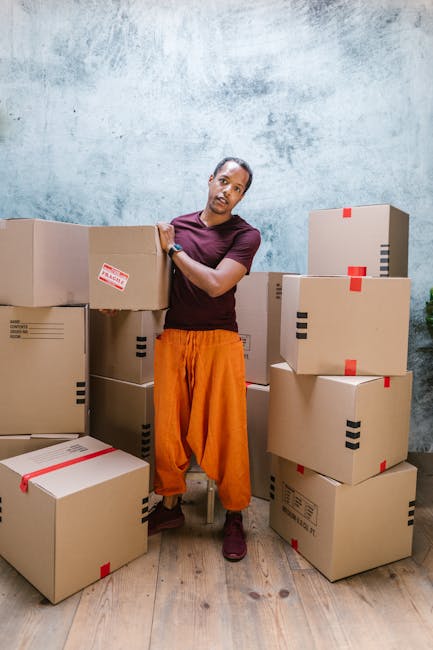
Moving house can feel like a slow-motion chaos test. One minute you're sorting cutlery, the next you're staring at a hallway full of boxes and wondering where the tape has gone. If you want to pack a whole house for UK removals with pro level efficiency, the answer is not "just pack faster". It's about planning the right order, using the right materials, protecting fragile items properly, and keeping the whole process calm enough that you can still find the kettle on moving day.
This guide breaks down how professional movers and organised households approach a full home pack-up in the UK. You'll get a step-by-step method, practical checklists, expert tips, common mistakes to avoid, and the sort of real-world detail that saves time when the van is outside and someone is asking where the hallway keys are. Simple idea, really. Good packing is a system.
- Why efficient whole-house packing matters
- How the process works
- Key benefits and practical advantages
- Who this approach is for
- Step-by-step guidance
- Expert tips for better results
- Common mistakes to avoid
- Tools, resources and recommendations
- Law, compliance and best practice
- Options and comparison table
- Case study or real-world example
- Practical checklist
- Conclusion
- Frequently asked questions
Why Pack a whole house for UK removals with pro level efficiency Matters
Whole-house packing is one of those jobs that looks manageable until you actually start. A few cupboards in, and suddenly there are toiletries in the bathroom, paperwork in the study, toys under the sofa, and enough chargers to open a small shop. Efficient packing matters because every delay on packing day tends to show up later as a delay on moving day. And moving day is already busy enough.
In the UK, removals often involve narrow stairs, awkward parking, shared driveways, tight time windows, and weather that can change from drizzle to full-on rain before lunch. That means your packing method has to do more than keep things tidy. It needs to protect belongings, reduce handling time, and make loading the van safer for everyone involved.
There's also the stress factor. When boxes are labelled clearly, fragile items are grouped properly, and essentials are set aside early, the move feels controllable. You still get tired, of course. Who wouldn't? But tired is different from overwhelmed.
Professional-level efficiency is not about rushing. It's about sequencing the work so you touch each item once, pack it once, and know exactly where it goes. That alone saves more time than most people expect.
How Pack a whole house for UK removals with pro level efficiency Works
The process works best when you treat the house like a project with zones, priorities, and a clear finish line. Start with the least-used spaces, move through the middle, and leave daily essentials until last. That sounds obvious, but people often start with whatever looks easiest. Then they end up unpacking the same drawer three times. Not ideal.
A pro-style packing workflow usually follows five stages:
- Sort and declutter so you are not moving things you no longer need.
- Gather materials before opening the first cupboard.
- Pack by room and priority instead of mixing household items randomly.
- Label and inventory each box clearly enough to locate it later.
- Create a moving-day essentials set for immediate access.
That last stage is often overlooked. In practice, it is the difference between a smooth first evening and a frustrating hunt for toothbrushes, bedding, and phone chargers while everyone is half-exhausted. You will notice the difference very quickly.
If you are using a full-service moving team, this system also helps them load the van more efficiently. Heavier boxes can go in first, fragile items can be kept secure, and furniture can be handled without boxes blocking the path. If you are comparing service styles, it can help to look at broader support options such as packing and unpacking services alongside your move plan. Sometimes the smart choice is to offload the most time-consuming part.
Key Benefits and Practical Advantages
When whole-house packing is done well, the benefits are not just theoretical. They show up in the first hour of the move, in the van, and again when you arrive at the new property and realise you can still find the important stuff.
Here is what efficient packing actually gives you:
- Less breakage: items are wrapped and grouped correctly, which matters for glassware, lamps, artwork, mirrors, and electronics.
- Faster loading and unloading: boxes are consistent, stack neatly, and do not create awkward gaps in the van.
- Lower stress: clear labelling and planning reduce the mental load on moving day.
- Better use of transport space: well-packed boxes and furniture fit more efficiently.
- Cleaner unpacking: when boxes are labelled by room and category, you do not have to rummage through everything at once.
- Less last-minute panic: essentials are protected and easy to access.
There is a practical money angle too. Efficient packing can reduce wasted time, and time is part of the moving cost whether you are doing it yourself or booking support through a removal company. Even if you are hands-on, good packing usually means fewer mistakes, fewer replacements for damaged items, and less need to re-buy things that were packed badly.
To be fair, one of the biggest advantages is emotional. A move can feel like your whole life has been tipped out into cardboard. Good packing puts a structure back into it.
Who This Is For and When It Makes Sense
This approach makes sense for almost anyone moving a full home, but especially for households with a lot of contents, a deadline, or fragile belongings. If you are moving from a one-bed flat, you may not need a highly detailed system. But once you reach a family house, a home office, a loft full of "we'll sort that later" boxes, or a kitchen packed with breakables, efficiency starts to matter a lot more.
It is also a strong fit if:
- you are moving on a tight completion schedule
- you have children and need to keep daily routines running
- you work from home and cannot afford long disruptions
- you are downsizing and need to sort items properly before the move
- you are using storage as part of the move
- you want to protect antiques, electronics, or awkwardly shaped items
For larger homes, the decision often comes down to whether you want to manage all the packing yourself or bring in help for certain rooms. A lot of people use a hybrid approach: self-pack clothes, books, and soft goods, then get extra support for kitchens, fragile items, and furniture protection. That can be a very sensible middle ground. No drama, no unnecessary cost, just common sense.
Step-by-Step Guidance
If you want a whole house packed efficiently, work room by room but think in terms of priority and protection. Here is the most practical order.
1. Make a packing plan before touching boxes
Walk through the property and list every room, storage area, and awkward space such as lofts, under-stairs cupboards, sheds, and utility rooms. You do not need a fancy spreadsheet, unless you enjoy spreadsheets. A simple room list works fine. The point is to stop forgetting the odd corners where clutter hides.
2. Declutter hard before you pack
Separate items into keep, donate, recycle, and dispose. This step saves the most time of all, because every item you leave behind is one less thing to wrap, box, carry, and unpack. Be ruthless with duplicates, old cables, chipped kitchenware, and clothes you have not worn in years. Truth be told, most homes are carrying several drawerfuls of "just in case" items.
3. Buy materials in the right quantities
Gather sturdy boxes, packing tape, bubble wrap or paper, mattress covers, wardrobe boxes if needed, marker pens, labels, and furniture blankets. It is better to have a little too much than run out halfway through. Running out of tape at 9pm is a small domestic tragedy no one needs.
4. Pack one room at a time
Keep room contents together wherever possible. A box of bathroom items should stay bathroom-related. A kitchen box should not suddenly contain batteries, a torch, and a loaf tin. Mixed boxes are the enemy of easy unpacking. They save nothing and confuse everything.
5. Use a consistent labelling system
Label each box on at least two sides with the room name, contents, and whether it is fragile. Example: "Kitchen - mugs, glass bowls, breakfast items - fragile". If you want extra control, number the boxes and keep a simple inventory list. That way, if something goes missing, you have a real record to check.
6. Protect fragile and valuable items properly
Wrap breakables individually, line boxes with soft padding, and avoid overfilling. Heavy fragile items should go in smaller boxes so they are easier to lift safely. Plates usually pack better vertically than stacked flat, because they distribute pressure more evenly. Little details like that matter more than people think.
7. Pack heavy items low and light items high
Books, tools, and dense kitchenware belong in small boxes. Linens, cushions, and light soft items can fill larger boxes. A box that looks neat but weighs a ton is a back injury waiting to happen. Keep the weights sensible.
8. Create a first-night essentials bag or box
Put in toiletries, medicines, phone chargers, kettle supplies, a change of clothes, documents, snacks, pet items, and basic cleaning materials. If you have children, include comfort items too. That one box can save a surprising amount of stress when the day runs long.
9. Prepare furniture for moving
Disassemble only what needs to come apart, and keep screws, bolts, and fittings in sealed labelled bags taped to the correct furniture piece. Protect corners and surfaces to reduce scuffs. It is a small effort that stops a lot of annoying damage.
10. Do a final room-by-room sweep
When you think everything is done, walk each room slowly. Check drawers, behind doors, in cupboards, under beds, and on window sills. People always leave something behind. Always. Usually the thing they need first.
Expert Tips for Better Results
The best packing jobs are not built on heroics. They are built on habits. A few small choices make the whole process feel much smoother.
- Start earlier than you think you need to. A three-week pack often works better than a three-day panic.
- Use a consistent colour code. Even simple colour stickers for rooms can speed up unloading.
- Keep essential documents separate. Passports, tenancy paperwork, completion documents, and contact details should not disappear into a box pile.
- Photograph cable setups before disconnecting them. It helps when rebuilding TVs, routers, and office equipment.
- Fill gaps inside boxes. Movement inside boxes causes damage, especially with mugs, glassware, and ornaments.
- Do not overpack wardrobes. Hanging clothes are heavy enough without turning the box into a battle.
- Use smaller boxes for books. This is one of those boring rules that feels trivial until you carry a massive box of hardbacks up a stairwell.
If you are moving in London or another busy UK area, access can affect timing. Narrow streets, parking restrictions, basement flats, and top-floor properties can all make loading slower than expected. If you know the route is awkward, build in extra time and keep heavier boxes easy to reach. A little patience here goes a long way.
Expert summary: The fastest full-house packing jobs are rarely the ones that look rushed. They are the ones where materials were ready, rooms were packed in a clear order, fragile items were given proper protection, and the essentials box was treated like gold.
Common Mistakes to Avoid
Even organised people make the same mistakes when they are under pressure. The good news is they are easy to avoid once you know what to watch for.
- Starting without decluttering: this multiplies the workload for no gain.
- Using too many oversized boxes: they become impossible to lift safely.
- Packing by random availability: it leads to chaos at unpacking time.
- Not labelling properly: vague labels like "stuff" or "misc" are not much help.
- Leaving the kitchen until last: kitchens almost always take longer than expected.
- Forgetting the essentials box: then you are hunting for toothpaste at 10pm.
- Underestimating the time needed for fragile items: breakables demand patience.
- Mixing valuables with everyday clutter: keep important items close and separate.
The sneaky mistake, though, is overconfidence. People think they will "just do the rest tomorrow", then tomorrow turns into moving day. That's when everyone gets a bit tired and the packing quality drops. Not a disaster. Just avoidable.
Tools, Resources and Recommendations
You do not need specialist kit for every move, but the right tools make a huge difference. Good packing gear is one of those things that feels dull until you try to move with weak boxes and flimsy tape. Then you realise immediately why professionals care about it.
| Tool or Material | Best Use | Why It Helps |
|---|---|---|
| Strong double-walled boxes | General household packing | Better protection and stackability |
| Small boxes | Books, tools, heavy kitchen items | Safer lifting and less box collapse |
| Packing paper or bubble wrap | Fragile items | Prevents chips, scratches, and breakage |
| Wardrobe boxes | Hanging clothes | Speeds up clothing moves and reduces creasing |
| Furnishing blankets | Furniture protection | Reduces scuffs during carrying and loading |
| Strong tape and dispenser | Sealing boxes | Makes packing quicker and more secure |
| Marker pens and labels | Room identification | Helps loading, unloading, and unpacking |
| Sealable bags | Screws, cables, fittings | Keeps small parts together and traceable |
For many households, it also helps to compare move types. A smaller property or partial load may suit a simpler service such as man and van, while full-house relocations often need a larger vehicle and a more structured approach. If you are moving furniture separately, services like furniture pick up can also be useful for awkward items that do not fit neatly into the rest of the move.
If you are still gathering options, it may help to review pricing and quotes before making a decision. Transparent information is useful because it helps you compare like with like, rather than guessing what is included.
Law, Compliance, Standards, or Best Practice
For most homeowners and tenants, packing itself is not legally complicated. The more relevant part is safe handling, reasonable care, and making sure your move does not create avoidable damage or risk. In the UK, removals best practice usually centres on safe lifting, proper load security, and care for the property you are moving from and into.
If you are using a removal firm, ask about insurance, safety procedures, and how fragile or high-value items are handled. It is sensible to understand what is covered before moving day rather than after something has already gone wrong. You do not need to become a contracts expert, but you should know the basics. That is just sensible house-moving hygiene, if such a thing exists.
Professional operators are also expected to follow fair working practices, clear communication, and general health and safety standards. For the customer, the practical takeaway is simple: choose a company that explains its process clearly, handles items carefully, and gives you honest expectations about timing and access.
If sustainability matters to you, it is worth thinking about recycling and reuse as part of the pack-up. Cardboard, paper wrap, and unwanted household items can often be separated more responsibly than simply throwing everything into a general bin. A measured approach helps reduce waste and keeps the move a bit cleaner overall.
Options, Methods, or Comparison Table
There is no single correct way to pack a whole house. The right method depends on time, budget, household size, and how much help you want. Here is a practical comparison.
| Method | Best For | Pros | Trade-Offs |
|---|---|---|---|
| Self-pack everything | Smaller budgets and organised households | Lowest direct cost, full control | Time-consuming, physically demanding |
| Hybrid packing | Busy families or mixed-size homes | Balances cost and convenience | Requires coordination between you and movers |
| Full packing service | Large homes, tight schedules, fragile contents | Fast, efficient, less stress | Higher cost than self-packing |
As a rule of thumb, self-packing works best when you have time and a fairly simple household. Hybrid packing is the sweet spot for many people. Full packing is often the right answer when the move is complex, the schedule is tight, or the property is packed with breakables. No shame in choosing the easier route, either. Moves are hard enough already.
Case Study or Real-World Example
Take a fairly typical UK family move: a three-bedroom house with two children, one home office, a kitchen full of glassware, and a loft storage space that quietly accumulated four years of "we'll sort that later". The family starts six days before moving day. They do not try to pack everything at once. That is the key point.
They begin with the loft, spare room, and books. Then they move on to seasonal items, spare bedding, and decorations. Kitchen packing happens in stages, not all in one stressful blast. They set aside a clearly marked essentials box for each adult, the children, and the first night. Furniture is partly disassembled the day before the move, with fixings bagged and taped securely to the relevant item.
On moving morning, the boxes are labelled clearly enough that loading is quick. The movers can place bedroom boxes together, kitchen boxes together, and fragile items where they will not be crushed. The family arrives at the new house with the basics easy to find and the first evening feels manageable instead of frantic. It is not glamorous, but it works. And honestly, that is what matters.
This is exactly where professional efficiency pays off: not in looking perfect, but in making the whole day calmer, faster, and less wasteful.
Practical Checklist
Use this checklist as a final pre-move sanity check. A bit of structure now saves a lot of faff later.
- Decluttered each room before packing
- Collected strong boxes, tape, wrap, labels, and markers
- Prepared wardrobe, book, and fragile-item boxes as needed
- Packed one room at a time
- Labelled boxes with room name and contents
- Marked fragile boxes clearly
- Separated important documents and valuables
- Created an essentials box for the first night
- Bagged screws, bolts, and small fittings
- Protected furniture surfaces and corners
- Checked cupboards, loft, under beds, and storage spaces
- Confirmed access details for moving day
- Kept phones charged and key contacts handy
If you want one simple rule to remember, it is this: anything you may need within the first 24 hours should not be buried in a random box. Keep it visible. Keep it close.
Conclusion
To pack a whole house for UK removals with pro level efficiency, you do not need to be superhuman. You need a sensible order, good materials, clear labels, and a willingness to sort things before they become a problem. That is the whole game, really.
The moves that feel easiest are usually the ones that were prepared properly in the background. Room by room, box by box, the workload becomes smaller when the system is strong. And once you've got that first-night box ready, the rest of the move feels a bit less scary. Maybe still tiring, yes. But manageable.
If you are comparing support for your move, take a look at house removals and related services to see what level of help fits your home, schedule, and budget. The best move is the one that gets you settled with the least stress and the least waste.
Get a free quote today and see how much you can save.
And when the last box is in, the kettle is on, and the new place finally starts to sound like home, you'll be glad you packed properly.
Frequently Asked Questions
How far in advance should I start packing a whole house for UK removals?
For most homes, starting two to four weeks ahead is sensible, especially if you have a lot of belongings or a busy schedule. Begin with storage spaces, spare rooms, and seasonal items, then work towards daily-use rooms. If you leave everything to the final 48 hours, the process becomes much more stressful and the packing quality usually drops.
What should I pack last before moving day?
Pack daily essentials last: toiletries, bedding, chargers, important documents, medication, basic cookware, pet items, and a change of clothes. Leave out the things you genuinely need up to the final morning. That way you are not rummaging through boxes at midnight looking for a phone cable or toothbrush.
Is it better to pack room by room or by item type?
Room by room is usually better for a full house move because it makes unpacking much easier. Item type can work for a few specialist categories, such as books or fragile items, but mixing the whole house by category tends to create chaos when you arrive. Room-based packing gives you structure and keeps the move more readable.
How do I pack fragile items safely?
Wrap each fragile item individually, use plenty of cushioning, and choose a box size that suits the weight. Do not leave empty space inside the box, because movement causes damage. If possible, keep very delicate items in smaller boxes and label them clearly. Slow and careful beats fast every time here.
What is the best way to label moving boxes?
Use the room name, a short contents list, and a clear note if the box is fragile. Labels on more than one side are helpful because boxes are not always stacked the way you expect. If you want to be extra organised, number the boxes and keep a simple inventory list. It sounds a bit fussy, but it really helps.
Should I hire a packing service or do it myself?
That depends on time, budget, and household complexity. Self-packing is cheaper but takes more time and energy. A packing service can save stress and speed up the move, especially for large homes or delicate contents. Many people choose a hybrid approach, handling some rooms themselves and bringing in help for the hardest parts.
How many boxes do I need for a whole house?
It varies a lot depending on household size, storage, and how much decluttering you do first. A one-bedroom home needs far fewer boxes than a family house with a loft, garage, and office. The safest approach is to overestimate slightly and keep extra boxes available. Running out is always more annoying than having a few spare.
What should go in an essentials box for moving day?
Include toiletries, phone chargers, snacks, medication, toilet paper, kettle supplies, scissors, a basic tool kit, documents, and clothes for the first night. If you have children, add comfort items and anything that keeps bedtime routine steady. If you have a pet, pack food, bowls, and any necessary accessories separately too.
Can I use a man and van service for a full house move?
Sometimes, yes, but it depends on the size of the property and the amount of furniture and boxes involved. A smaller house or flat may suit this kind of service well, while larger family homes often need a bigger vehicle and more structured handling. The key is matching the service to the move rather than assuming one option fits all.
How can I make packing less stressful?
Start early, work in short sessions, and keep each room organised as you go. Do not try to do the whole house in one frantic burst if you can avoid it. Keep tape, labels, and markers close by, and build in time for decluttering. A slower start often leads to a calmer finish. Funny how that works.
What are the most common packing mistakes people make?
The biggest ones are leaving packing too late, mixing items from different rooms, overfilling boxes, and forgetting to set aside essentials. Another common mistake is failing to protect fragile items properly. These errors are easy to make when you are rushing, which is why a simple plan matters so much.
Is there any compliance issue I need to think about when moving house in the UK?
The main concerns are safe lifting, careful handling, and clear agreement on what is included in your removal service. If you use movers, it is sensible to ask about insurance, safety procedures, and how items will be protected. For most households, the practical side matters more than complicated rules. Know what you are paying for, and keep records where helpful.
What is the smartest first step if I feel overwhelmed?
Start with one small area, like a cupboard, a shelf, or a box of paperwork. Getting one visible win usually makes the whole move feel more manageable. Then move to the next space. That first tiny step matters more than people think, because it breaks the sense that everything has to happen at once.